

Whether you’re kicking off a new class, starting a church group, leading a camp, or hosting a party, getting kids comfortable with each other can make all the difference. That’s where ice breakers come in! These 25 kid-approved games are designed to help children loosen up, laugh, and connect—without the awkward silence. From quick get-to-know-you activities to silly movement games, there’s something here for every age and group size.
This post contains affiliate links.
Why are Icebreaker Games Helpful for Kids?
Icebreaker games are a powerful way to help kids feel more comfortable and connected in a group setting. They ease nerves, spark conversation, and create a sense of belonging—especially when kids are meeting for the first time. By mixing fun with interaction, icebreakers help build trust, encourage participation, and set a positive tone for the rest of the day.
25 Icebreaker Games for Kids
These 25 icebreaker games are perfect for classrooms, church groups, camps, and parties. They’re simple to set up, easy to play, and guaranteed to get kids talking, laughing, and making new friends.
1.Two Truths and a Lie
Each child takes turns sharing two true facts and one made-up statement about themselves. The group tries to guess which one is the lie. It’s a fun way to learn unique things about each other.
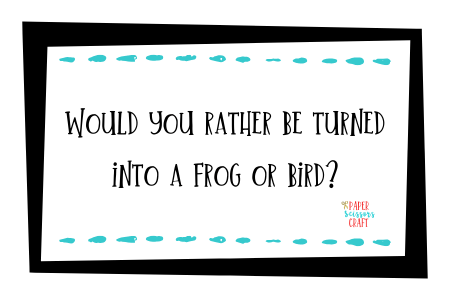
2. Would You Rather?
Ask silly or thoughtful “Would You Rather” questions, and let kids choose their answers. Encourage them to explain why they chose their option. It sparks laughs and interesting conversations.
3. Name Toss
Kids form a circle and toss a soft ball to someone while saying their name. Once everyone’s name is known, challenge them to go faster. It’s great for name recognition and quick movement.
4. Human Bingo
Create bingo cards with prompts like “Has a pet” or “Loves pizza.” Kids walk around and find classmates who match the descriptions to fill their cards. The first to complete a row wins.

5. Find Someone Who…
Similar to Human Bingo, give kids a list of traits or experiences to match with others. They mingle and try to check off as many boxes as they can. It’s an easy way to spark conversation.
6. The M&M Game
Pass around a bowl of M&Ms and have kids take a few. Each color corresponds to a topic they have to answer (e.g., red = favorite hobby). It’s simple, sweet, and helps kids open up.
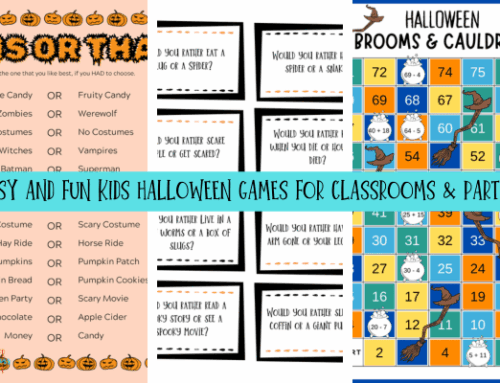
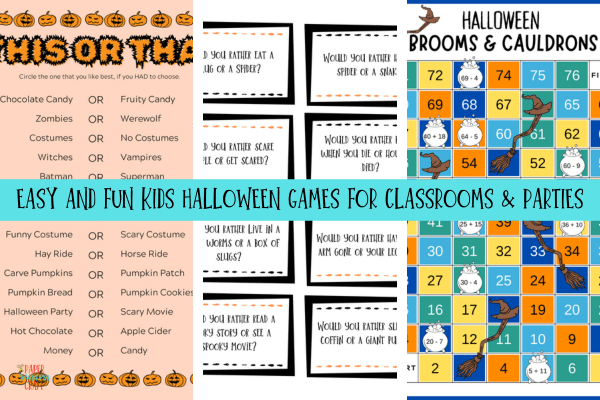
7. This or That
Give kids pairs of options (e.g., dogs or cats, ice cream or cake) and have them choose by moving to different sides of the room. It’s active and gets them talking about preferences.
Check out these different This or That Games:

8. Beach Ball Questions
Write different questions on a beach ball. When a child catches it, they answer the question under their right thumb. It’s a great, low-pressure way to get kids talking.
9. Get to Know You Jenga
Write a question or prompt on each Jenga block. As kids play, they answer a question when they pull a block. It adds a twist to a classic game.

10. Four Corners
Label each corner of the room with a category (like colors, seasons, animals). Call out a question with four answer choices, and kids move to the corner that matches their answer.
11. Snowball Fight
Kids write a fun fact or answer a prompt on a paper, crumple it into a ball, and have a pretend snowball fight. Then each picks up a random paper and reads it aloud to the group.
12. Alphabet Name Game
Each child says their name and something they like that starts with the same letter (e.g., “I’m Jake and I like jellybeans”). It’s especially great for younger kids learning letters and names.

13. Pass the Object
Pass an object around while music plays. When the music stops, the person holding the object shares something about themselves. This works well in small or large groups.
14. Common Ground
Kids pair up and try to find three things they have in common. Then they share with the group. It builds connections quickly, even among shy kids.
15. Silly Walk Parade
Each child takes a turn doing a silly walk across the room. The rest of the group copies it. It loosens everyone up and gets lots of laughs.

16. The Line-Up Game
Challenge the group to line up in order—by birthday, shoe size, or height—without talking. Then they can check if they got it right. It promotes teamwork and non-verbal communication.

17. Paper Plate Portraits
Give each child a paper plate and crayons to draw a self-portrait. Then they introduce themselves and their “plate face” to the group. It’s a creative, low-stress intro activity.
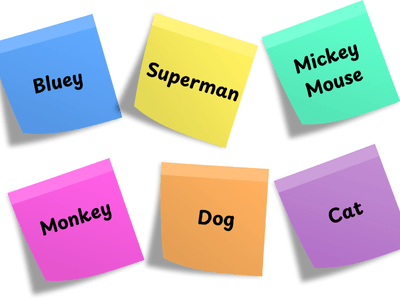
18. Who Am I? (Sticky Note Game)
Write the name of an animal or character on a sticky note and place it on each child’s back. They ask yes/no questions to figure out who they are. It’s a great guessing and thinking game.
19. Mystery Bag
Fill a bag with random items. Kids reach in, pull one out, and tell a short story or fact about themselves related to that item. It adds an element of surprise and creativity.
20. Silent Line-Up
Kids must line up in a specific order (e.g., by birthday month) without speaking. This encourages problem-solving and cooperation in a fun, quiet way.
21. Speed Friendshipping
Pair kids up for 30–60 seconds and give them a question to ask each other (e.g., favorite food, pets, best vacation). Then rotate partners. It’s like speed dating, but for making friends.

22. Question Ball Toss
Toss a ball and whoever catches it has to answer a question from a prepared list. Keep it moving quickly to keep kids engaged and excited.
23. The Compliment Chain
Start with one child giving a compliment to someone else in the group. That child then compliments another, and so on, until everyone has given and received one. It fosters kindness and connection.
24. What’s in a Name?
Ask kids to share the story behind their name or what it means (if known). You can also have them come up with a fun nickname or “adventure name” to use during the day.

25. Musical Introductions
Play music while kids walk around the room. When the music stops, they pair up with the nearest person and answer a get-to-know-you question. Repeat a few times with new questions.
Which Ice Breaker will you do at your next Party?
The right ice breaker can turn a group of strangers into instant friends. These 25 games aren’t just fun—they build trust, spark conversation, and set the tone for a positive group experience. Keep this list handy for your next activity, and watch your group come alive with energy, laughter, and connection. Ready, set, break the ice!



Leave A Comment